

Within a world evermore challenged by environmental shifts and erratic weather patterns, securing a dependable water source has never been more crucial. Borehole drilling emerges as a essential solution for people and localities seeking to ensure their upcoming water needs are met, especially in areas where surface water supplies are decreasing or compromised. Beyond the immediate advantages, borehole drilling delves into the depths of the earth to tap into hidden aquifers, providing an crucial lifeline when traditional water sources fail.
As we explore the intricacies of borehole drilling, we reveal a multifaceted approach to managing water resources. This article will examine the technical principles behind effective drilling, the significance of thorough geological assessments, and practical guidance for addressing the legal and financial aspects of the drilling process. Whether you are a homeowner, farmer, or part of an industrial operation, understanding the significance of borehole drilling will prepare you with the knowledge to make informed decisions that enhance your water security and sustainability for years to follow.
The Critical Role of Borehole Drilling in Water Safety
Borehole excavation serves as a cornerstone of water security, particularly in regions facing escalating H2O shortage. As climate change exacerbates drought conditions and alters precipitation patterns, traditional H2O sources such as rivers and surface bodies of water often are insufficient. Boreholes offer a trustworthy alternative by accessing groundwater, providing a consistent supply that is not susceptible to ecological fluctuations. borehole drilling north wales makes borehole drilling an crucial strategy for individuals, communities, and farming sectors alike, ensuring that water is accessible even when surface sources run dry.
Moreover, boreholes can significantly enhance resilience against H2O emergencies caused by environmental disasters or human activities. When surface water sources become contaminated or depleted, deep wells can tap into untouched aquifers, protecting vital H2O supplies. Understanding local geology through comprehensive studies aids in successfully identifying these aquifers, guaranteeing that excavation produces best results. As the demand for water continues to rise, proactive investment in borehole drilling technology becomes paramount to ensure stable water access for coming generations.
Moreover, the importance of well excavation extends beyond mere convenience. It encompasses the safeguarding of public health by providing safer drinking water options. Surface water often carries threats of contamination from toxic substances or germs, making well water testing essential. The specialization in well construction allows for advanced techniques in H2O purification, making certain that the water drawn is pure and safe for consumption. As we navigate the challenges of our changing environmental landscape, the critical role of borehole drilling in enhancing H2O security cannot be exaggerated.
Examining the Environmental Consequences of Borehole Drilling
The ecological footprint of borehole drilling is a significant concern, notably as populations increasingly rely on underground resources for their water needs. One of the main benefits of borehole drilling is the ability to tap into aquifers that are more resilient to pollution compared to surface water sources. This profound access can help mitigate the threats posed by surface pollutants, offering a more reliable source of water. However, it is essential to conduct drilling with caution, as over-extraction can lead to aquifer depletion, which can affect local ecosystems and reducing the sustainability of the water supply.
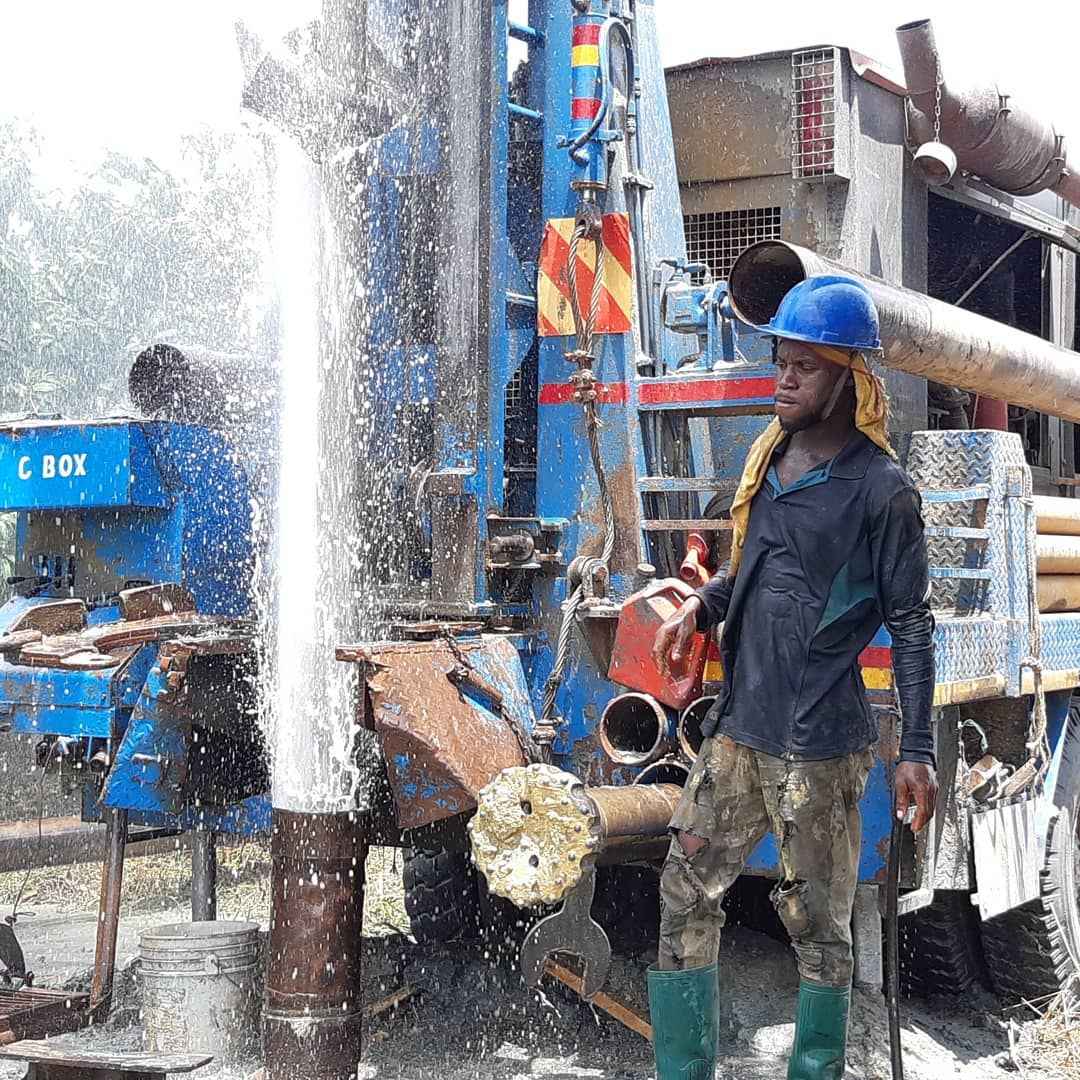
Moreover, the drilling process itself can have environmental ramifications. The use of large equipment may alter the local landscape, while the disposal of waste fluids needs to be handled with care to avoid pollution. Sustainable drilling practices involve comprehensive geological assessments, which reduce impact and confirm that the drilling sites are placed in sites that will have a diminished effect on the surrounding environment. It is also important to implement corrective measures to rectify any potential negative effects, maintaining a equilibrium between withdrawal and ecological preservation.
Ultimately, the long-term benefits of borehole drilling can reach beyond the immediate need for water. Properly managed boreholes can support groundwater recharge and enhance the strength of local water systems against environmental changes. By managing how much water is extracted and ensuring the preservation of surrounding habitats, borehole systems can serve not only as a source of water for people but also as a crucial factor of the environmental landscape. This twinned approach allows local populations to harness the advantages of drilling while being guardians of their environmental assets.
Essential Considerations for Sustainable Borehole Construction
Sustainable borehole development begins with comprehensive preparation and assessment. Conducting a detailed Geological survey is crucial to understand the earth conditions of the site. This survey assists determine the most suitable borehole location and measure while ensuring the withdrawal of water does not adversely impact the surrounding ecosystem. By examining soil types, geological structures, and current aquifer levels, participants can foresee potential challenges and make knowledgeable decisions that support sustainability.
Another critical factor is the selection of resources and technologies used in the drilling process. Committing in premium liners, filters, and pumps can greatly prolong the lifespan of the borehole while reducing the risk of contamination. Additionally, implementing recharge systems, which allow the aquifer to renew naturally, can help preserve water supplies, guaranteeing a consistent supply over the long term. Grasping flow rates and conducting initial output assessments can also assist the optimization of water withdrawal, thereby aligning needs with ecological protection.
Finally, water purity must remain a top priority throughout the borehole’s operational life. Consistent monitoring for impurities like toxic metals and nitrates is vital for ensuring the safety of the water supply. Establishing a routine for testing water purity helps identify possible issues before they escalate, building public confidence and compliance with health regulations. A commitment on these key considerations not only enhances the sustainability of borehole development but also ensures a dependable water source for years to come.