

Caring for the beauty and functionality of your outdoor spaces is vital for protecting your value in hardscaping. Whether it’s your driveway, deck, or swimming area, regular cleaning and upkeep go a long way in guaranteeing that your hardscape look their best and last for the long haul. Ignoring this essential upkeep can lead to difficult spots, unsightly fungus, and eventually expensive repairs. This article will lead you through effective suggestions for upholding your pavers clean and colorful.
From identifying the signs that your stone paved areas need expert thorough maintenance to grasping the importance of covering and protecting them from the elements, we've got you supported. We’ll look into frequent errors property owners make when caring for and why employing qualified professionals can save you energy and money in the end. With the appropriate knowledge and tools, you can readily maintain your hardscape and enhance your exterior environment while having reassurance about your asset.
Signs That Your Pavers Need Deep Cleaning
One of the most obvious signs that your pavers require deep cleaning is the presence of noticeable stains and discoloration. Over time, dirt, oil, and other contaminants can build up on the surface, leading to unpleasant marks that detract from the overall appearance of your outdoor space. If you notice persistent stains that regular cleaning methods fail to remove, it may be time to enlist professional help for a more comprehensive cleaning.
Another indicator that your pavers require deep cleaning is the growth of mold, algae, or mildew. These organic materials thrive in damp environments and can create slippery, dangerous conditions on your patio or driveway. Not only do they impact aesthetics, but they can also cause damage to your pavers if left untreated. If you see patches of green or dark colors creeping across your pavers, a thorough cleaning is essential to restore safety and cleanliness.
Additionally, if you start to see weeds growing in the joints between your pavers, this is a clear signal that your pavers need attention. Weeds can push up through cracks and gaps, indicating that your paver joints are not effectively protected or maintained. A specialized deep cleaning can help remove these invasive plants while treating the paver joints to prevent future growth, ensuring your outdoor space remains tidy and well-maintained.
Essential Cleaning and Sealing Manual
To maintain the beauty and lifespan of your brick pavers, a consistent cleaning and sealing schedule is essential. Start by assessing the state of your pavers; look for indicators such as stains, efflorescence, or discoloration. Recognizing how frequently to clean and seal your brick pavers significantly affects their resilience. Experts suggest cleaning your pavers at least once a year and applying a fresh sealant every three to 5 years, considering the weather conditions and traffic levels.
When it comes to cleaning, begin with removing any loose debris and dirt using a broom or blower. For stubborn stains, especially oil stains, apply specific techniques to lift them without harming the surface. It’s also crucial to choose the right cleaning products; green detergents are a excellent choice, as they protect your plants and the surroundings. Avoid look here , such as employing high-pressure turbo nozzles, which can accidentally damage your pavers.
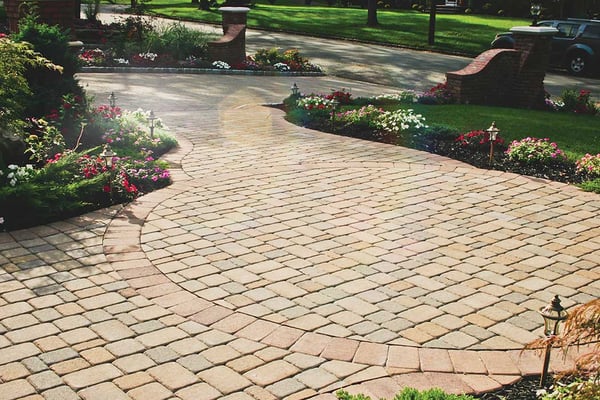
Sealing your pavers boosts their tolerance to moisture and staining, so picking the appropriate sealer is critical. Wet-look sealers can boost color but may require increased maintenance compared to matte sealers. Regardless of the type you choose, ensure the pavers are thoroughly dried before applying the sealant. Proper application techniques and the suitable weather conditions will guarantee that your sealed pavers will provide a long time of aesthetic service while safeguarding your investment.
Common Mistakes to Steer Clear Of
One of the leading common mistakes homeowners make when washing pavers is using excessive pressure during washing. While pressure washing can efficiently remove dirt and grime, high pressure can chip the surface of the pavers, particularly with soft materials. It's crucial to follow manufacturer guidelines or consult with professionals about the suitable pressure settings to use to prevent permanent damage.
A further common error is neglecting the need of sealing after cleaning. Many homeowners assume that cleaning alone is sufficient for maintaining the longevity of their pavers. However, sealing provides a protective barrier against stains, weeds, and moisture. Neglecting to seal after cleaning can lead to fast deterioration and increased cleaning needs down the line. Always make sure to apply a suitable sealer to enhance the longevity of your paver surfaces.
Lastly, ignoring the state of joint sand can greatly impact your paver's lifespan. After cleaning, if old joint sand is left in place without being replaced or re-sanded, it can lead to shifting, cracking, and weed growth. Many homeowners overlook this detail, thinking that it's not as crucial as the surface cleaning. To maintain structural strength and aesthetics, make sure to regularly check and replace the polymeric sand in the paver joints as part of your upkeep process.